How calm it felt. 2 days of work and travel included. Day 4 was purely city tour and tasting the authentic Andhra food. Our first location was an hour tuk-tuk ride to the old city in search of history of the place. Salarjung Museum.
The Fire Engine – At the entrance
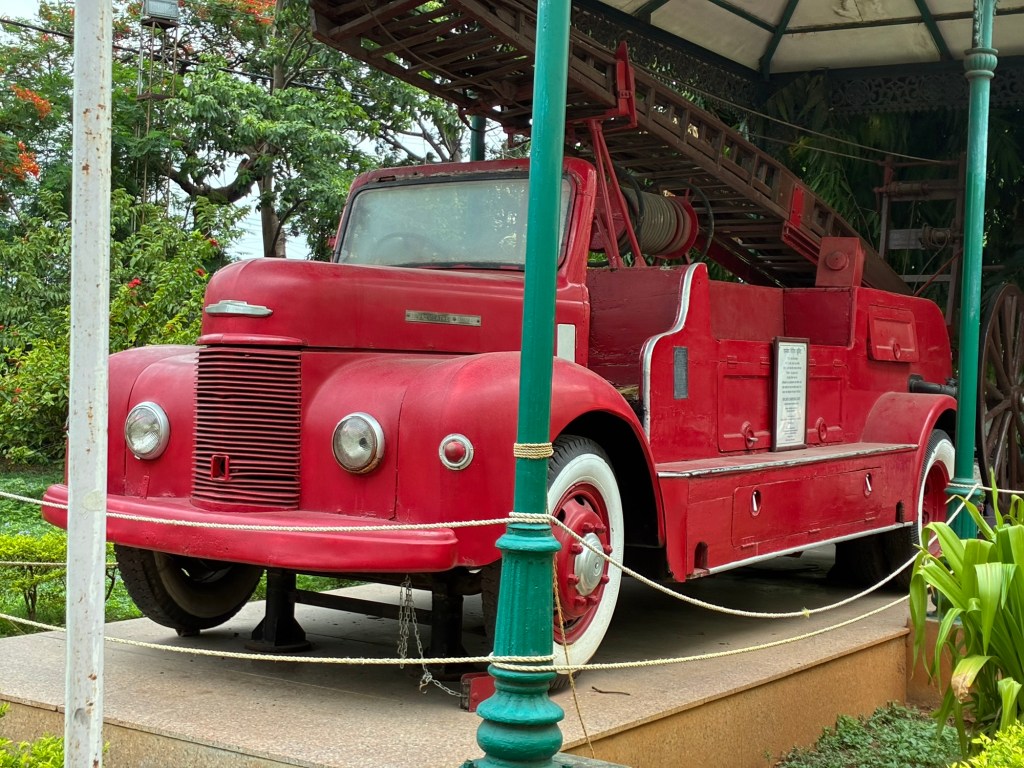
The Fire Engine Outside
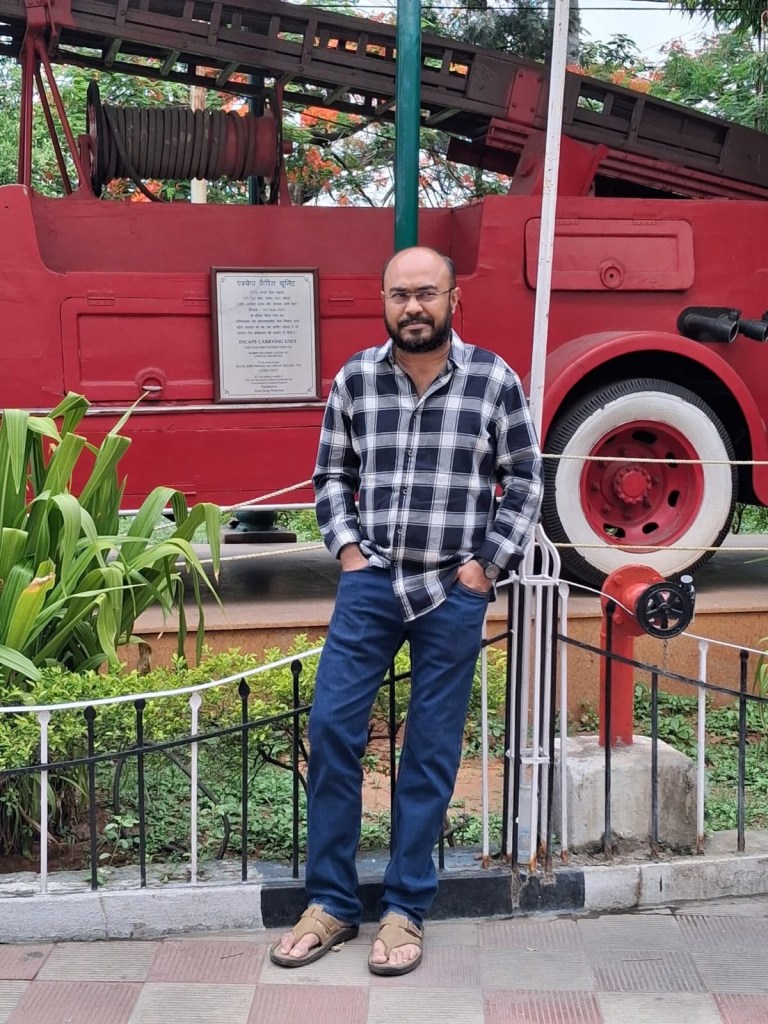
Before entering the museum, I stopped to look at the rather magnificent old fire tender parked outside. It is a John Morris ladder fire tender, acquired by the Nizam in 1942 and incorporated into Hyderabad’s firefighting fleet.
Built for the Manchester Fire Brigade, the vehicle was designed specifically for rescuing people from tall buildings. Its most striking feature is the manually operated 50-foot ladder, which could be extended with the help of large detachable wheels. For its time, this was an impressive piece of firefighting technology.
The vehicle continued serving Hyderabad and later the Andhra Pradesh Fire and Emergency Services Department for more than four decades, before being retired in 1988. In 2009, it found a new home at the Salar Jung Museum, where it now stands at the entrance.
I liked the fact that the museum begins with something so unexpected. Before you even enter its world of paintings, sculptures and antiques, you encounter a piece of Hyderabad’s own industrial and civic history—an old machine that once served the city and now quietly tells its story.
The Veiled Rebecca
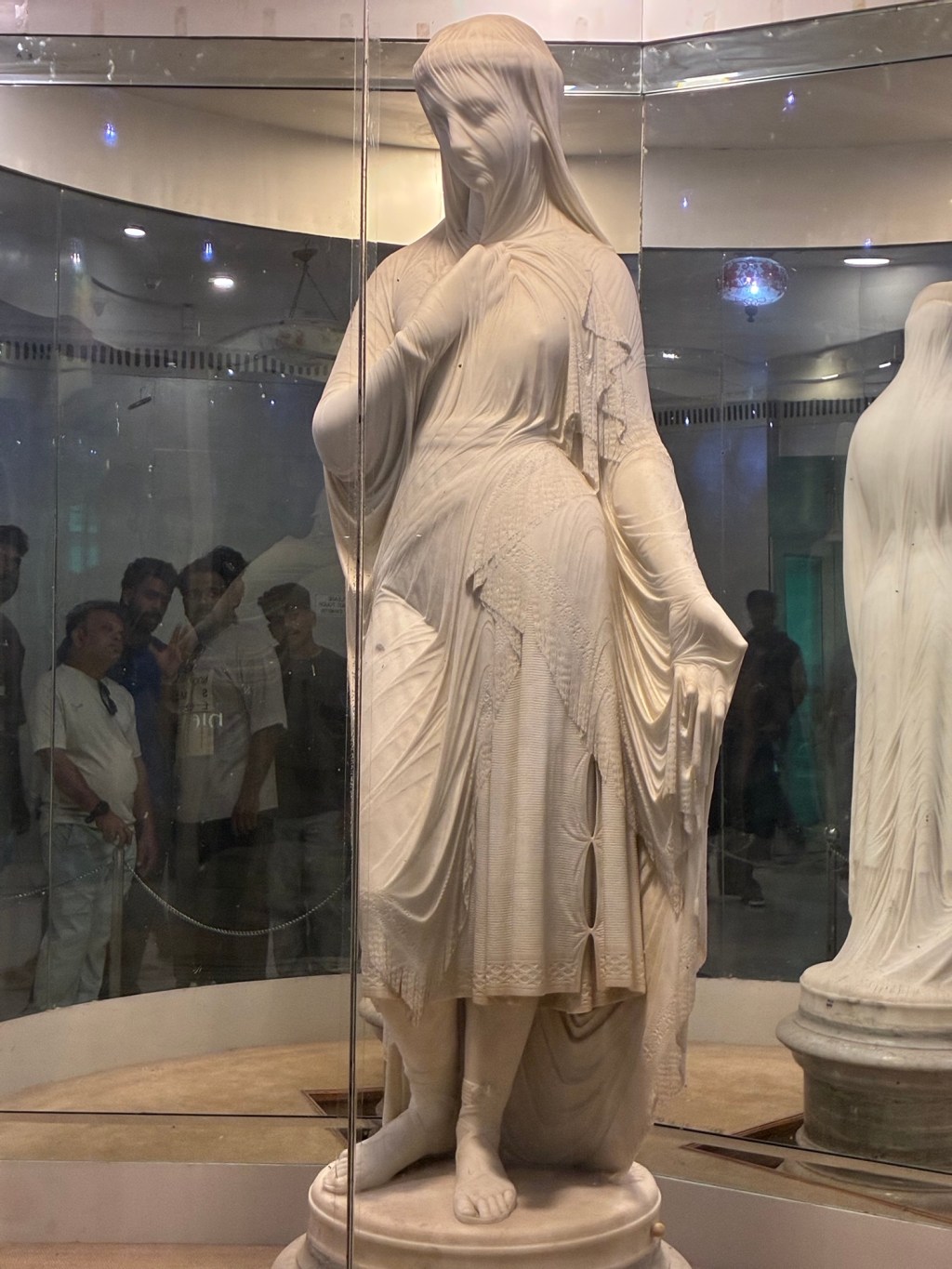
The star of the house.
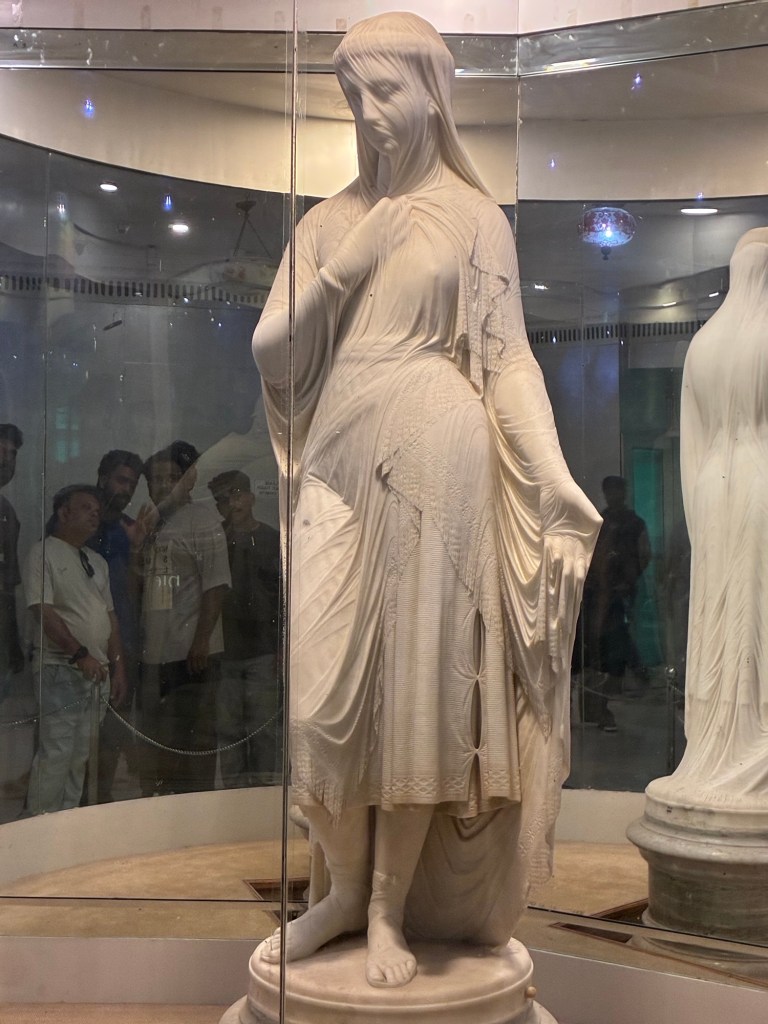
And then there is Veiled Rebecca—probably the piece I was most curious to see. Created by Italian Neoclassical sculptor Giovanni Maria Benzoni in 1863, this remarkable marble sculpture depicts Rebecca, the Biblical bride of Isaac, modestly covering her face with a translucent veil.
What makes it extraordinary is that the figure, clothing and veil are carved from a single block of marble. The veil looks almost impossibly delicate, with the folds of fabric and contours beneath it rendered with astonishing precision.
The sculpture was acquired in Rome in 1876 by Salar Jung I, Mir Turab Ali Khan, during his visit to Italy, and eventually became one of the most treasured pieces in the family’s collection. It originally stood in the family’s Dewan Deodi palace before moving to the museum’s present building in 1968.
Standing in front of it, I found myself looking less at the subject and more at the sheer audacity of the craftsmanship—how do you carve stone and make it look like fabric? Stunning.
What else
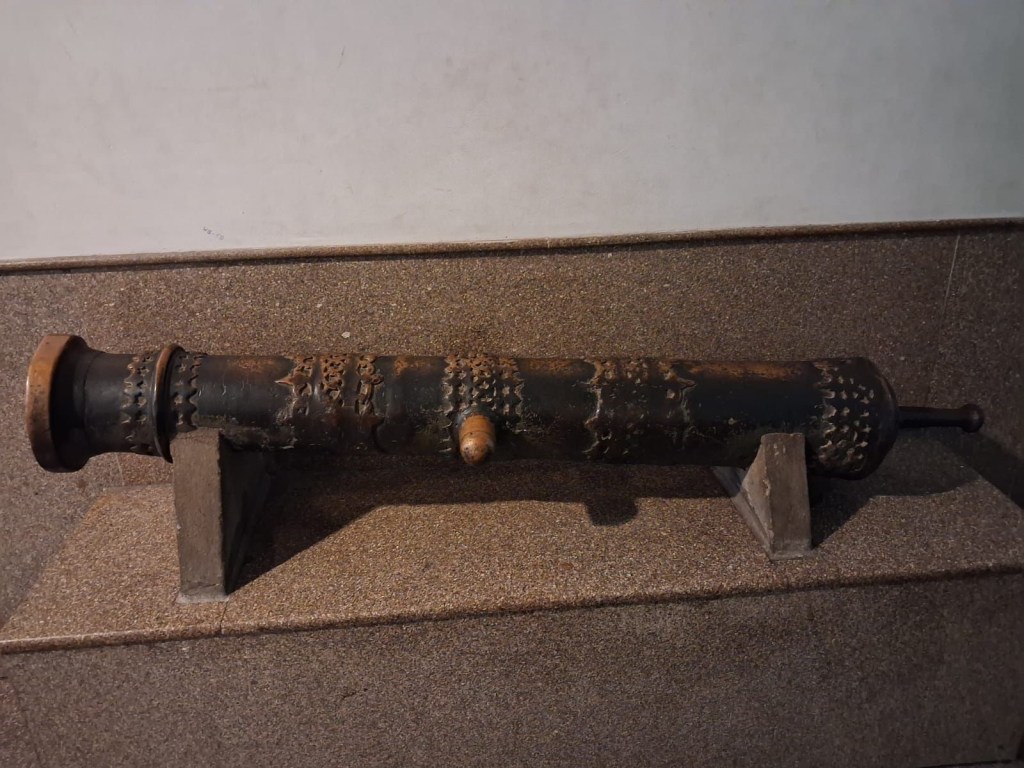
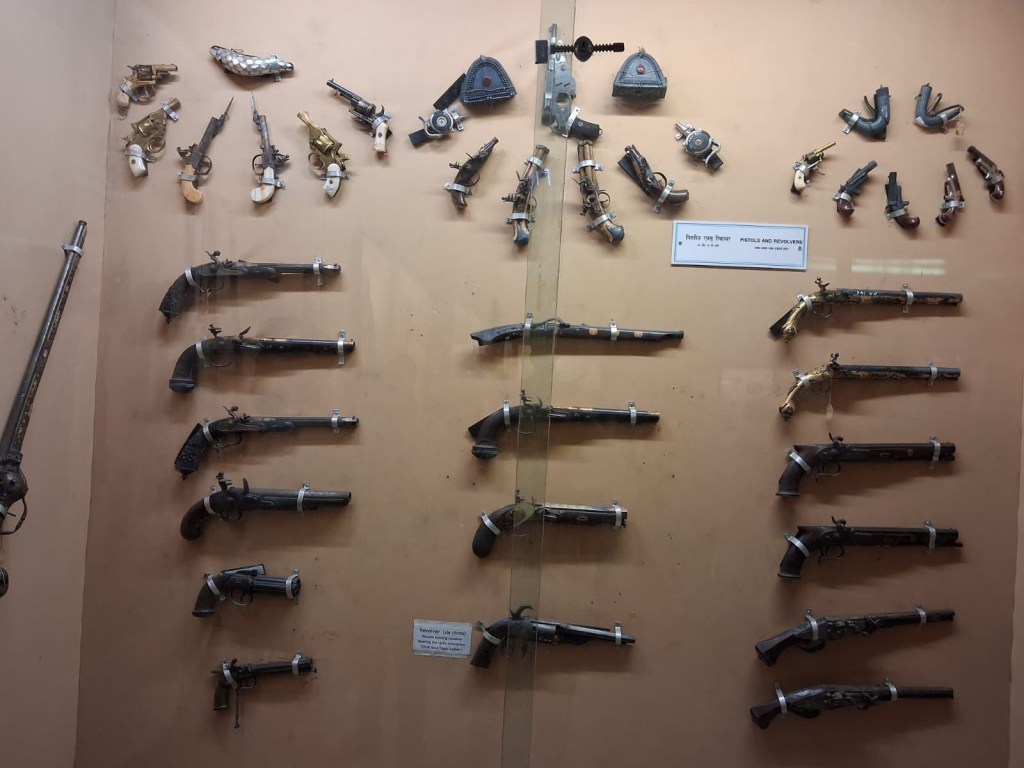
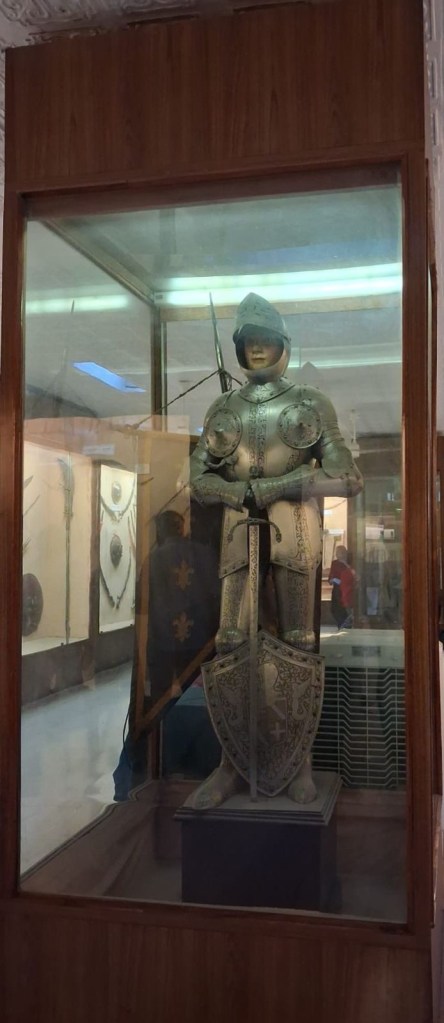
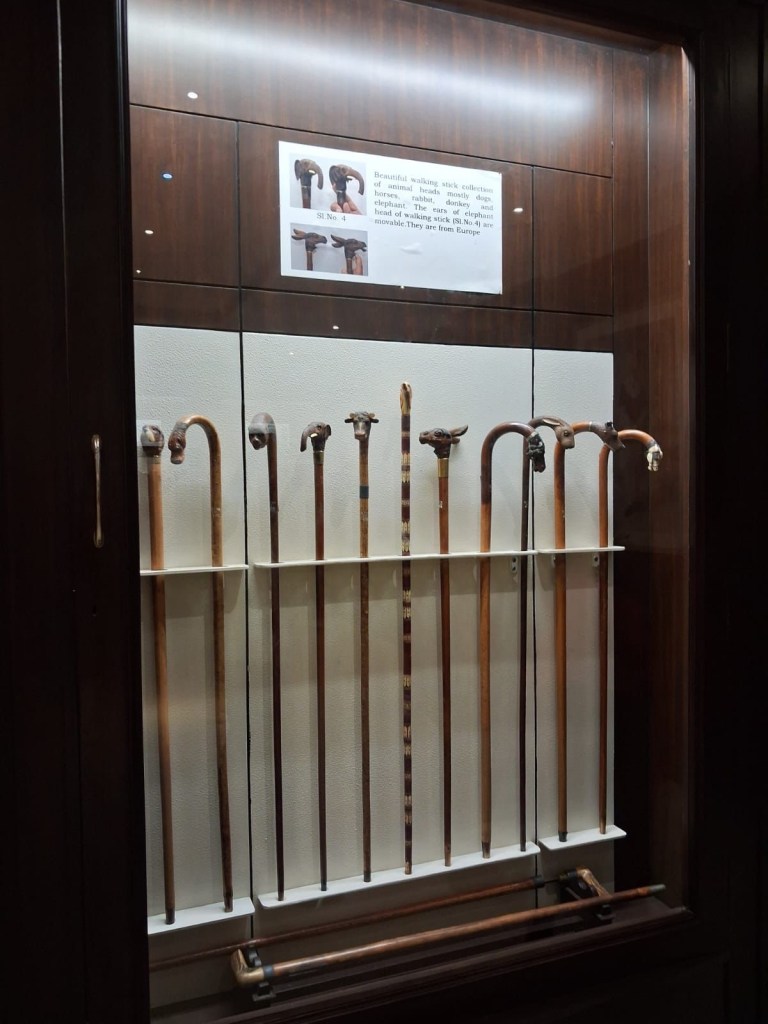
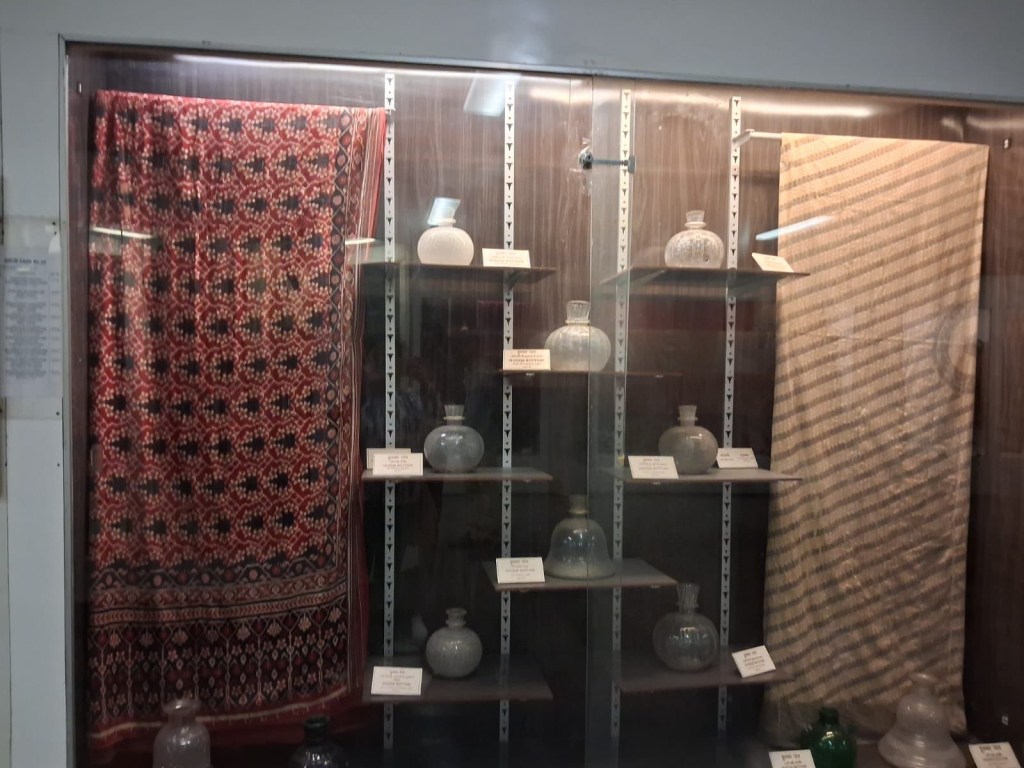
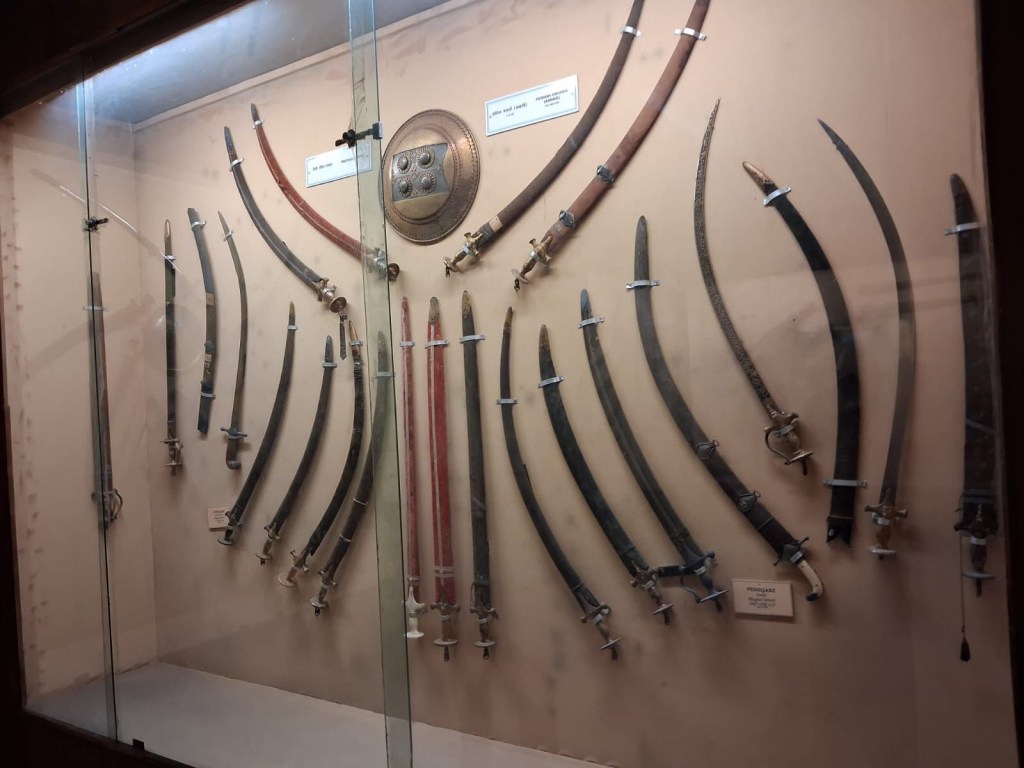
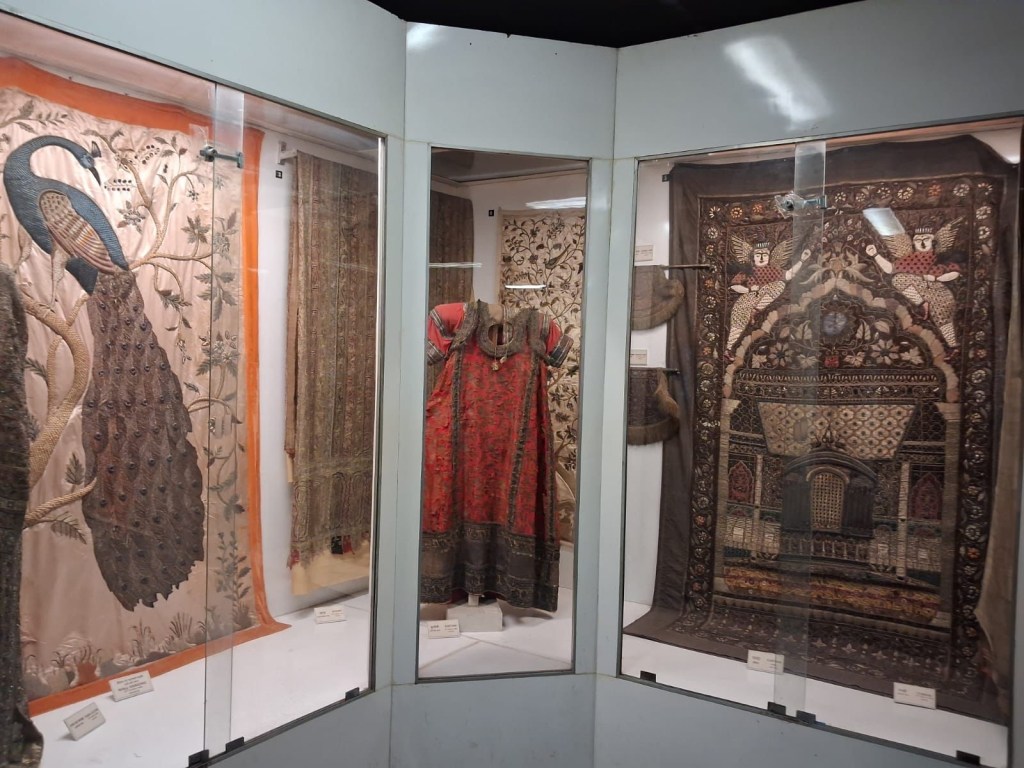
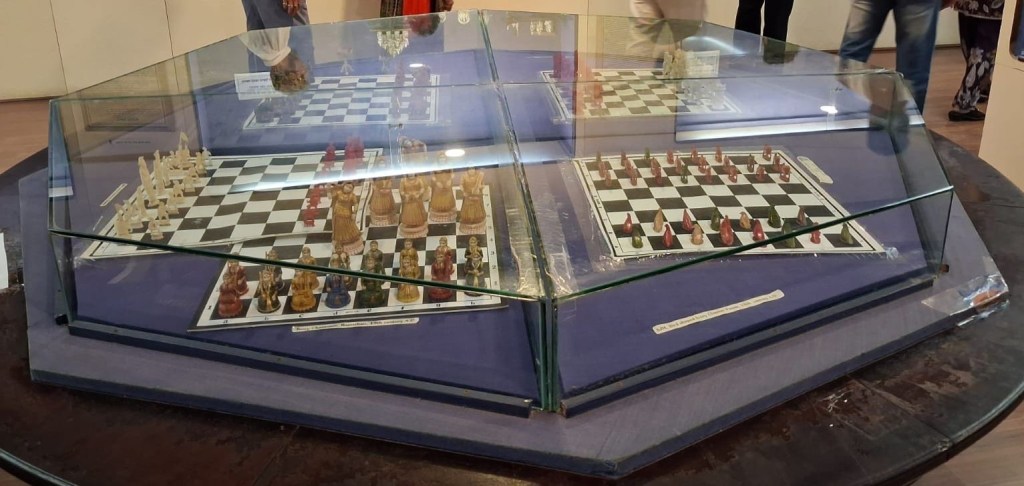
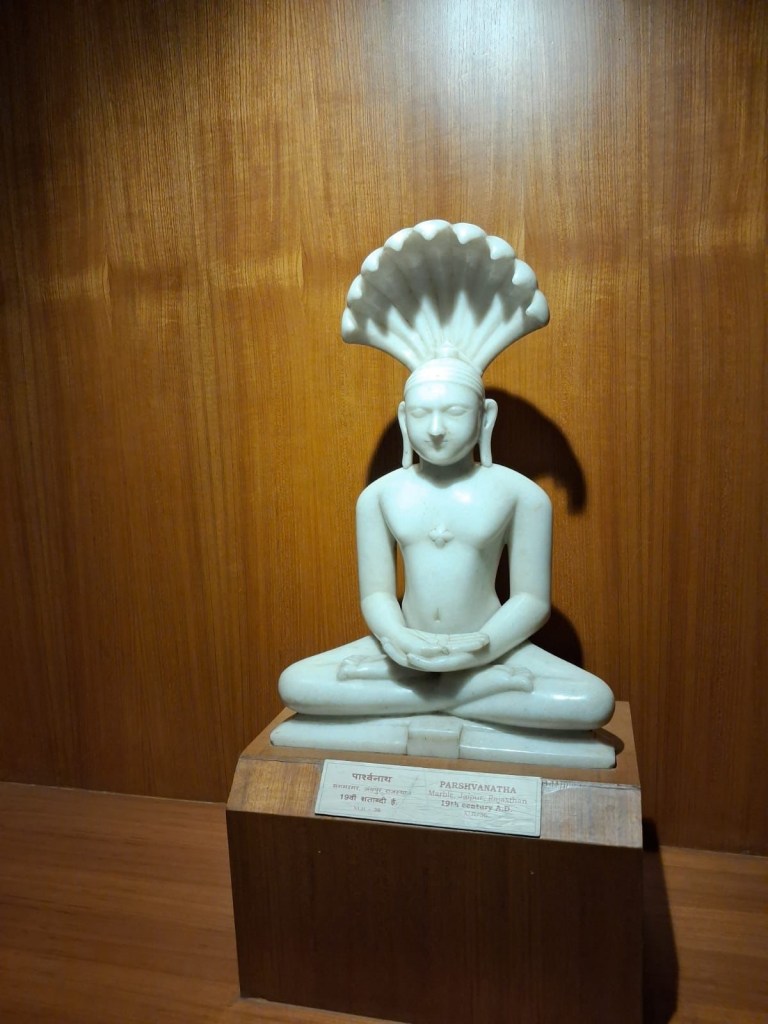
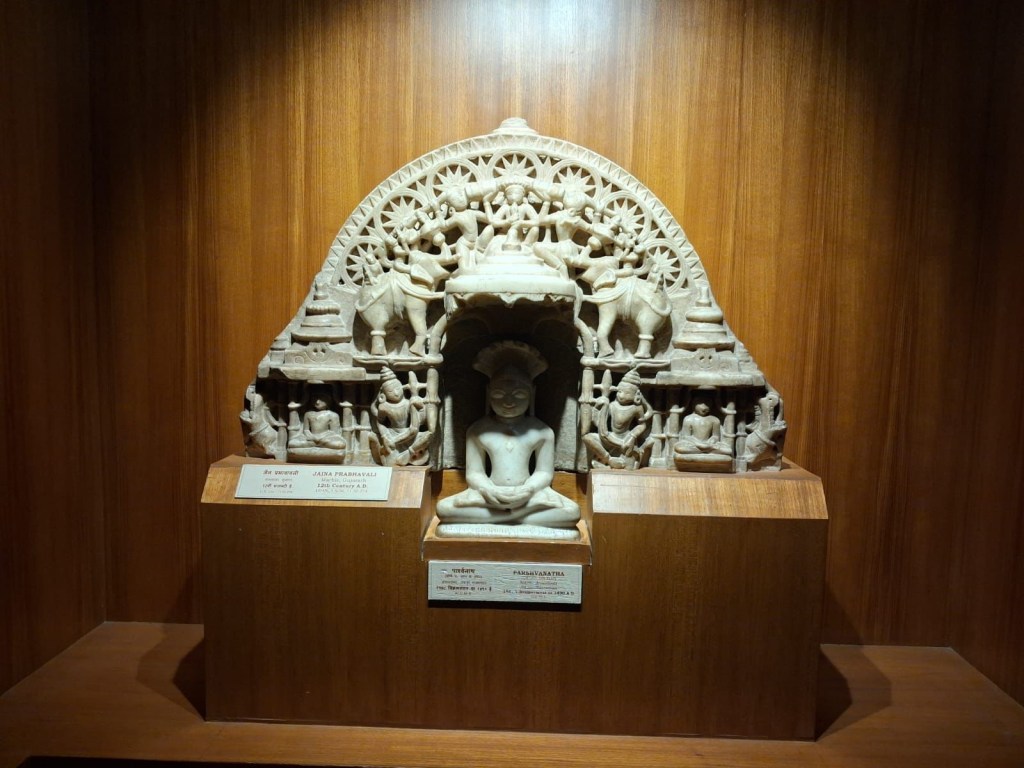
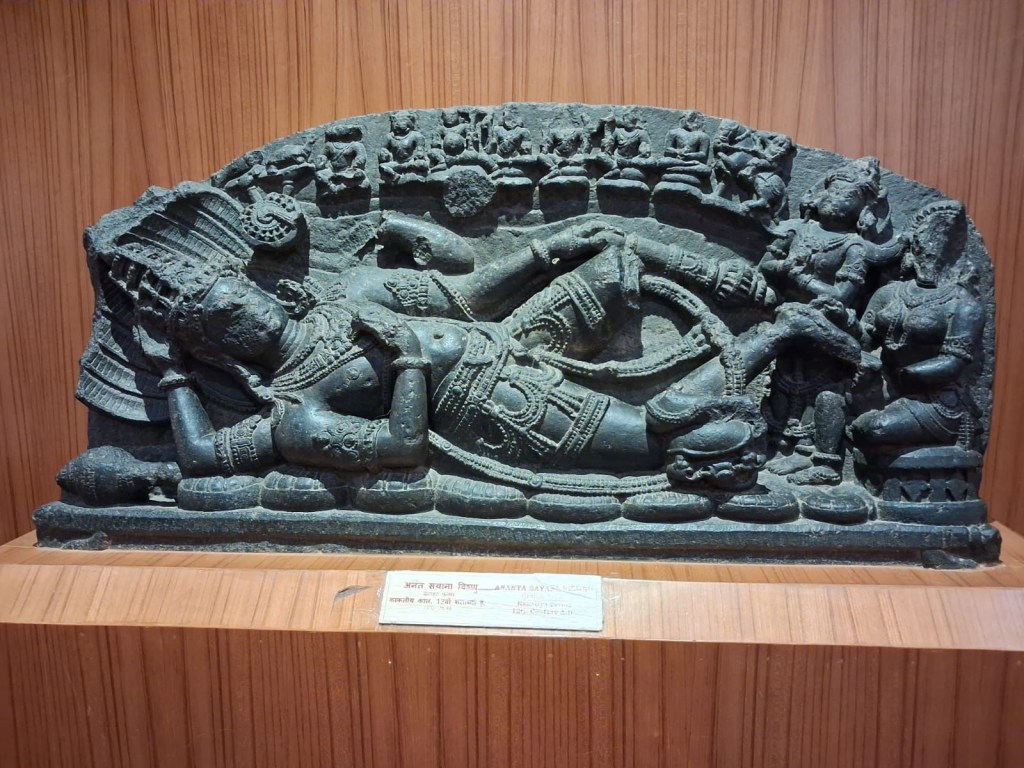
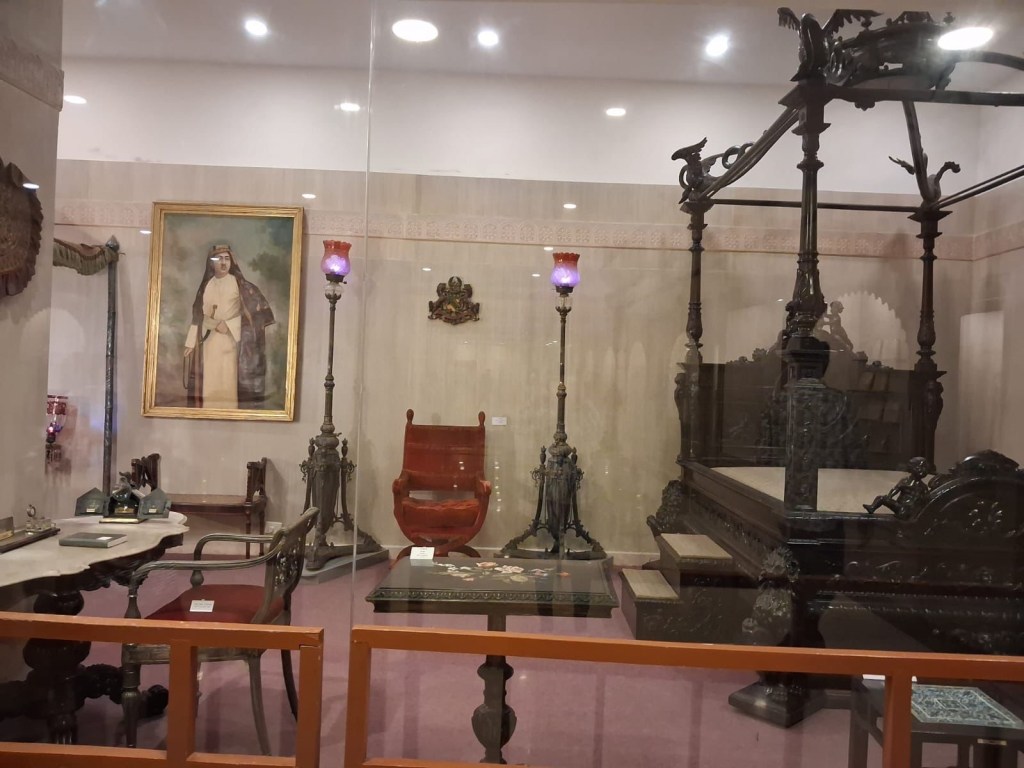
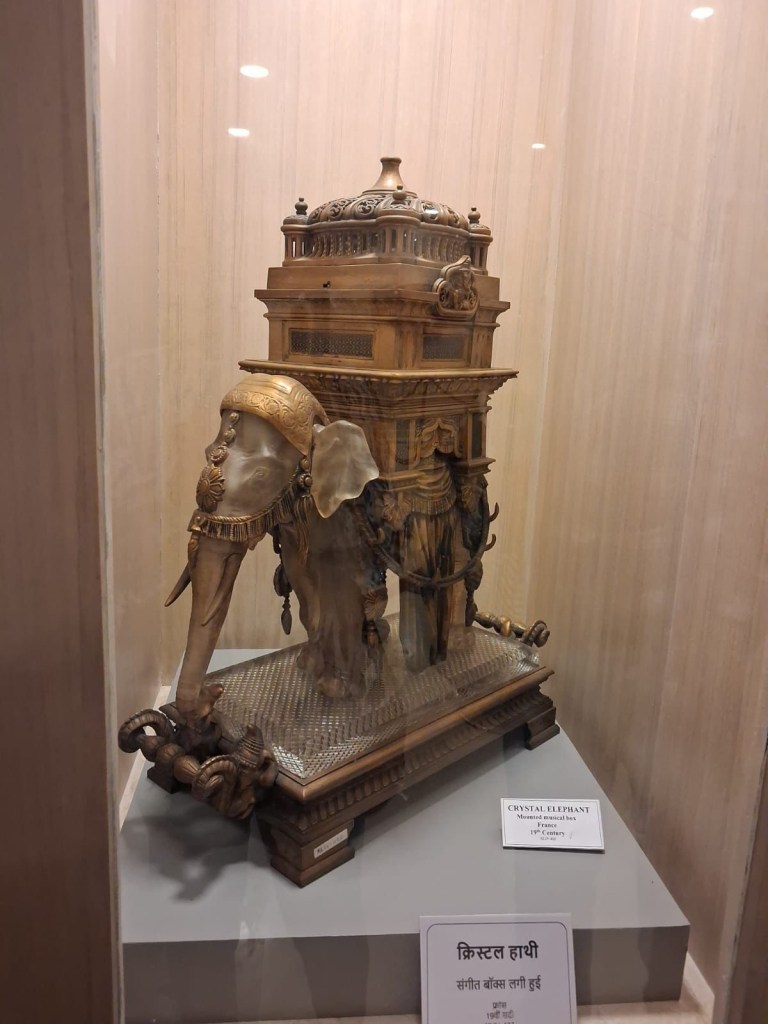
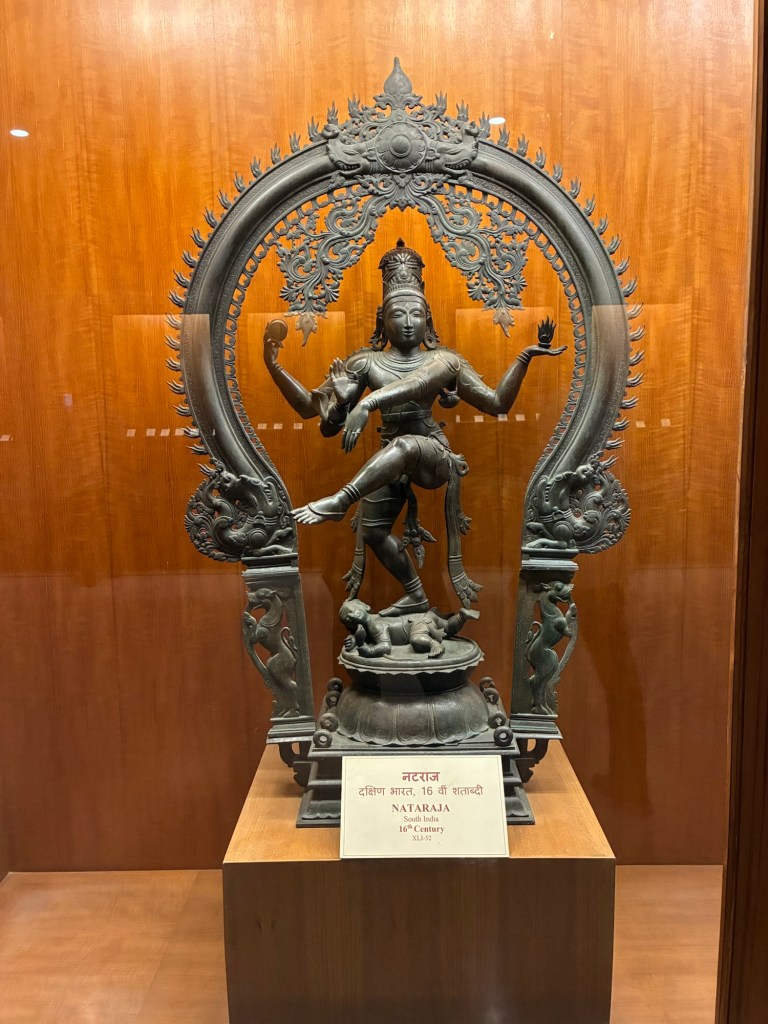
As we walked through the wide corridors and plush rooms, our eyes soaked in the never ending collections. Every single one is unique and has historical importance. Some we read, some we felt. I will leave you with photographs at the end of this blog.
Lunch at Subbayya Gari
The restaurant began in 1950, when G. Subbayya started a tiny mess with just 10 people, serving a meal for 50 paise. In 1955, he moved the operation to Kakinada and established it as Sri Krishna Vilas. Its reputation for traditional vegetarian Andhra food and extraordinarily warm, almost home-like service gradually made it an institution.
The first Hyderabad outlet opened in KPHB in 2018, bringing the Kakinada tradition to the city.
And the real attraction is the Vindu Bhojanam/Butta Bhojanam — a lavish Andhra vegetarian spread traditionally served on a banana leaf, with 30+ dishes ranging from pachadis, pickles and curries to flavoured rice, sweets, ghee and the ubiquitous rice-sambar-rasam-curd finale. The quantity is almost impossible to consume, while the love of the people and the taste is impossible to forget.
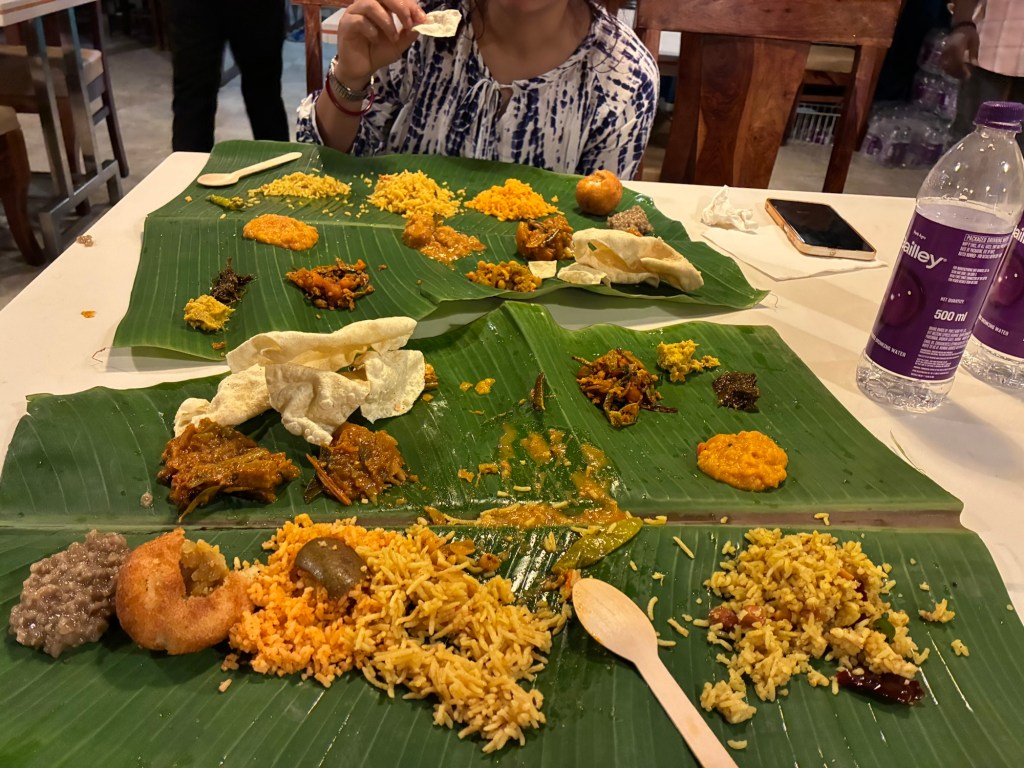
A tuk-tuk ride back to the hotel, we spent rest of the day packing our bags, sweets we bought, memorabilia we collected and memories we preserved.
Day 5 – The Return
An early morning start, on a clear monsoon morning. Rather uneventful but soothing. There is something about these roads. Not adventurous but gripping. The calmness maybe. We reached home after a 9 hours drive, stopping a few time midway for food.
That brings us to the end of a 5 day long Hyderabad trip. This final blog took some time to come, as i got caught up in multiple facets of life that needed an immediate attention. I hope you liked reading it and if you have not read the previous 2 blog, I have shared the link below along with a few more recent ones. If you like it, do share it with your friends and family.
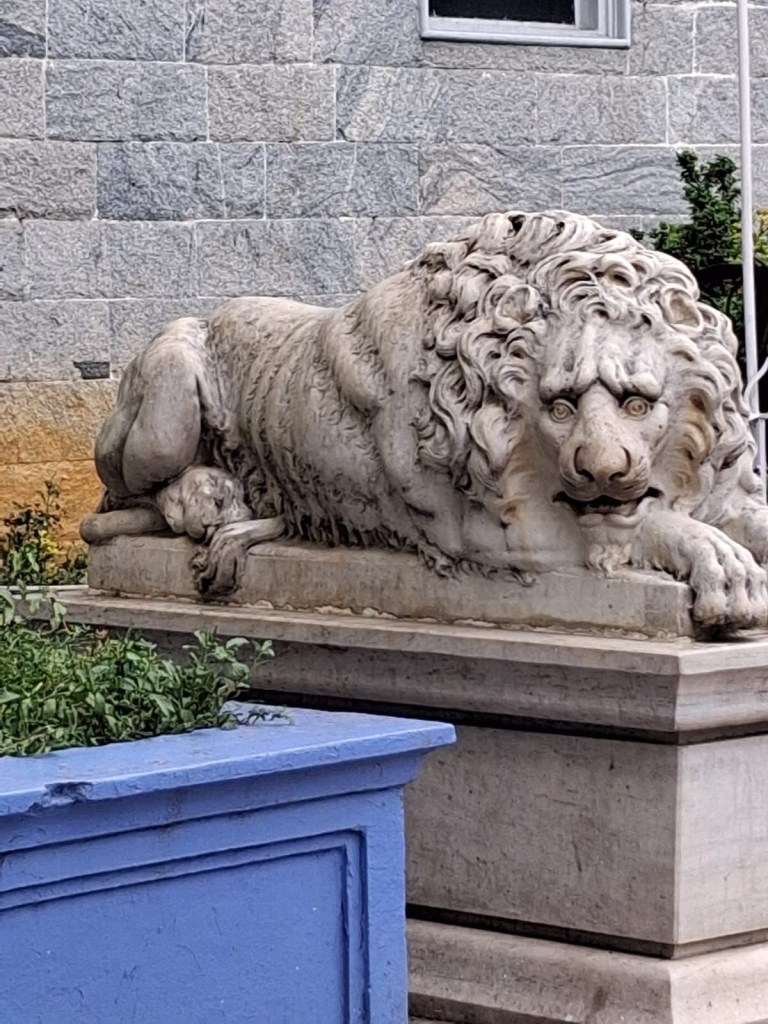
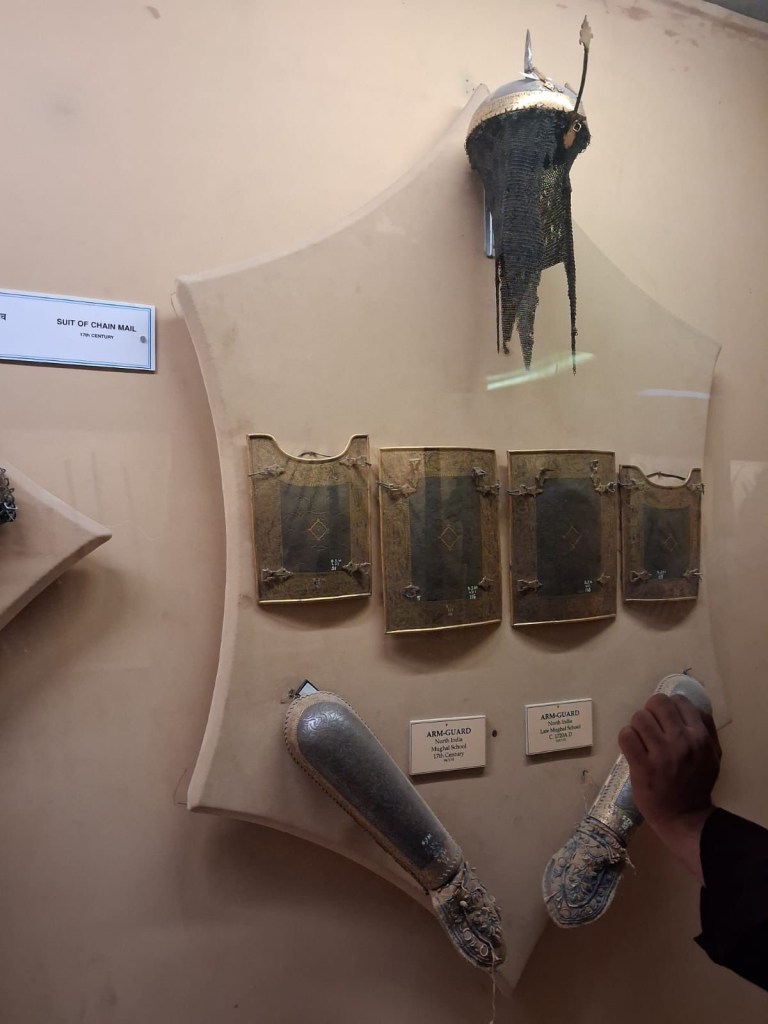
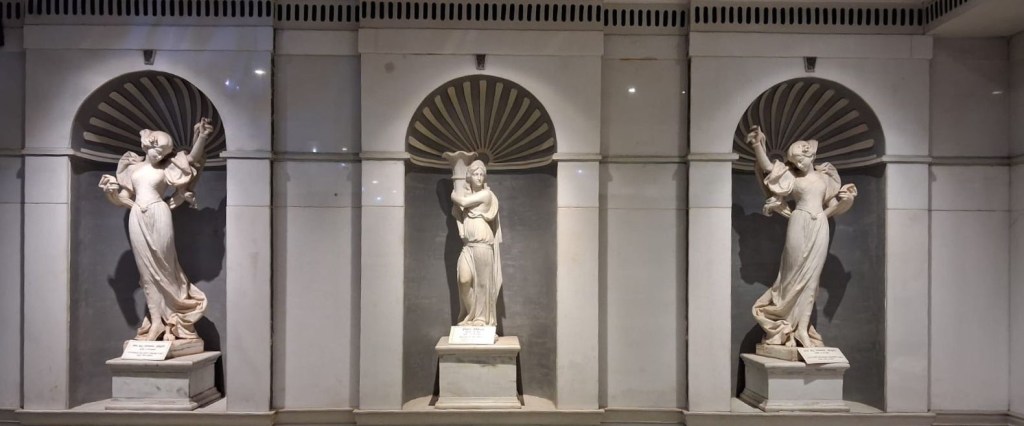
That’s not all. Our walk through the Salarjung Museum has been curated with photographs, I am happy to share a few of the treasure this place hold and the joy of seeing them up close.
Pune to Hyderabad Road Trip – Day 2 & 3 | Journey to the City of Nizams
Pune to Hyderabad Road Trip – Day 1 | Journey to the City of Nizams
Salarjung Museum collection – A Few


Hey, If you liked what you read, do like this blog and leave a comment.